
Pasteurization (or pasteurisation, in British English) of dry foods is a thermal process that safely reduces the presence of bacteria and other harmful pathogens (like Salmonella and E. coli). This process consists of heating a product to a precise temperature for a set duration. It was discovered by Louis Pasteur in 1866, giving the process its name. A pasteurization step is sometimes referred to as a ‘kill step’.

Safe products start here:
Our pasteurization process explained

Why pasteurization matters for food safety and quality ? 

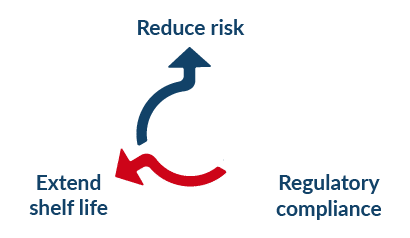
Pasteurization helps extend the shelf life of your products while reducing the risk of foodborne illnesses and spoilage, ensuring consumer safety. In addition, it can be a requirement for market access in certain countries, making it an essential step for both product quality and regulatory compliance. 

It is also essential for products where no other effective pasteurization takes place along the production chain up to the consumer’s kitchen. 

Revtech solutions for your pasteurization needs

Revtech offers a continuous pasteurization equipment designed for precise and efficient treatment of dry ingredients. The product is fed into a vibratory tower, where it is first pre-heated in direct contact with a hot coil. Once pre-heated, a controlled amount of wet steam (2–10%) is injected directly onto the surface of the product. The flow rate, temperature, residence time, and steam amount are carefully regulated and can be adjusted to suit each specific product.

Examples of concrete applications of the pasteurization process developed by Revtech

Revtech’s pasteurization technology focuses on dry ingredients, also known as low water activity foods. These are foods that contain very little ‘free’ water available for microbial growth, compared to products like milk or meat. While the risk is lower, it remains a concern. 

grains

Grains

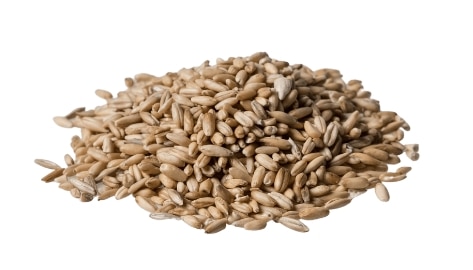
Revtech has developed expertise in the pasteurization of various grains, including barley, corn, oats, rye, and wheat. This process can be applied to whole grains, bran and germ, or flours. For certain markets, such as infant formula or products for the elderly, the microbial load must remain extremely low, as it poses a real risk to vulnerable immune systems. In some applications, like drinks (smoothies, high protein…), baby food, overnight oats and granolas, no additional pasteurization (or microbial kill step) occurs before final consumption. Over the past 25 years, Revtech has helped grain processors and millers integrate a pasteurization step, providing safe products to bakeries, confectionery, soup and beverage manufacturers, cereal producers, snack and granola manufacturers and other food processors.
cereals

Seeds

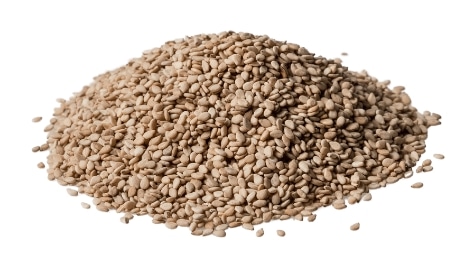
Beyond grains, Revtech has also experienced growing demand for the pasteurization of seeds such as chia, flax, poppy, sesame, sunflower, and hemp. These seeds are often used in puddings—where they are soaked in milk without further cooking—as well as in smoothies, energy bars, salad dressings, toppings, or seed butters. As they are considered ready-to-eat (RTE) products and consumed raw or simply rehydrated, an effective pasteurization step is essential to ensure consumer safety.
Revtech pasteurized almonds

Nuts

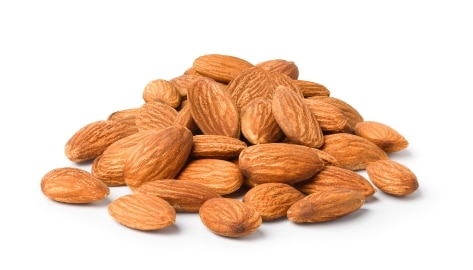
Nuts such as almonds, hazelnuts, pistachios, and cashews are also commonly pasteurized to ensure food safety. In the early 2000s, several outbreaks and product recalls linked to Salmonella contamination prompted the Almond Board of California (ABC) to make pasteurization mandatory for all almonds marketed in the United States. Today, leading nut processors around the world apply similar standards to guarantee safe, high-quality products for both domestic and export markets.
herbs and spices

Herbs & spices

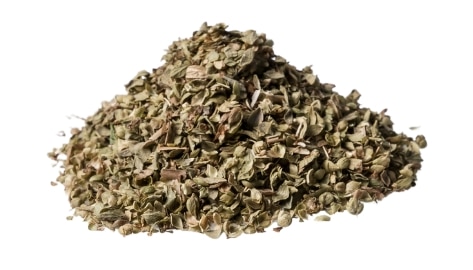
One of the very first Revtech systems in the food industry was installed to pasteurize herbs and spices. These commodities are typically harvested in specific regions of the world, often cleaned and dried under challenging sanitary conditions before being exported worldwide. Since 1991, the use of ethylene oxide as a fumigant and sterilizing agent has been prohibited on foodstuffs within the European Union. This original concept offers a chemical-free technique to microbial reduction for all kinds of herbs (parsley, oregano, etc.) and spices (coriander, cumin, fennel, etc.). A second major advantage of the process is its ability to preserve the original flavour and colour of the products while keeping vitamin levels as high as possible.

What is a 5-log validation ?

Proving the efficiency of a heat treatment process can sometimes be challenging: the initial microbial loads must be high, multiple analyses are required, and the process can be time-consuming and costly. To address this, the starting material can undergo a controlled inoculation, ensuring a high initial load. We use E. faecium as a surrogate to replicate the behavior of pathogenic bacteria, including Salmonella and E. coli. The contaminated material is then passed through the tower, and the treatment’s effectiveness is determined by comparing the initial and final microbial counts. Several independent laboratories provide this type of certification. Revtech always works with third-party laboratories and never validates a system on its own. We value the due diligence and conflict-free approach of collaborating closely with both laboratories and customers. We have conducted validations on systems ranging from 100 kg/h up to 14 MT/h, and we are confident in the performance of every system we sell.

Why choose Revtech for your pasteurization projects ?

Revtech has been in business for over 25 years, with numerous references installed worldwide for the applications mentioned above. We preserve organoleptic properties—color, texture, and aroma—by using a minimal amount of steam and a short residence time (only few minutes), ensuring that products remain fresh and appealing. Each system can be validated for a 5-log reduction of Salmonella according to international procedures.

Our technology is recognized globally, and every project is fully customized and delivered turnkey, giving customers complete peace of mind. The system runs continuously and is fully automated, minimizing labor and energy costs (~100 W/kg) for a low overall production cost.

Its compact design requires a small footprint, making it easy to integrate into existing production facilities. Low maintenance requirements further ensure minimal expense over the equipment’s lifetime.

All about the pasteurization process

Pasteurization aims at reducing the number of harmful microorganisms, but it does not eliminate all of them; some spores or heat-resistant bacteria may survive. Sterilization, on the other hand, completely eliminates all microorganisms, including spores. Sterilization requires much higher temperatures and can alter taste and texture. Pasteurization reduces microbial risk while preserving the organoleptic and nutritional properties of the product.

Yes, Revtech does not simply sell the system and leave the customer on their own. The company provides the support of highly trained process engineers who can assist with recipe development and liaise with third-party laboratories to obtain the validation certificate.

Please reach out! We have several pilot units available to conduct feasibility trials on your products.